
























Exporting Food from India: Standards, Documentation and What Global Buyers Look For
The standards, paperwork and quality systems behind reliable food export from India, and how to vet a manufacturing partner.
Exporting food from India works well when the manufacturer treats compliance as part of the product, not a hurdle at the end. Here is what global buyers should expect.
Standards and certification
A credible exporter holds FSSAI licensing plus GFSI-recognised certification such as BRCGS, with HACCP and ISO 22000 behind it, and organic or Halal where the market needs it.
Documentation
Expect health certificates, certificates of analysis, certificates of origin and, where required, organic transaction certificates. Labelling must meet the destination country's rules.
Quality systems
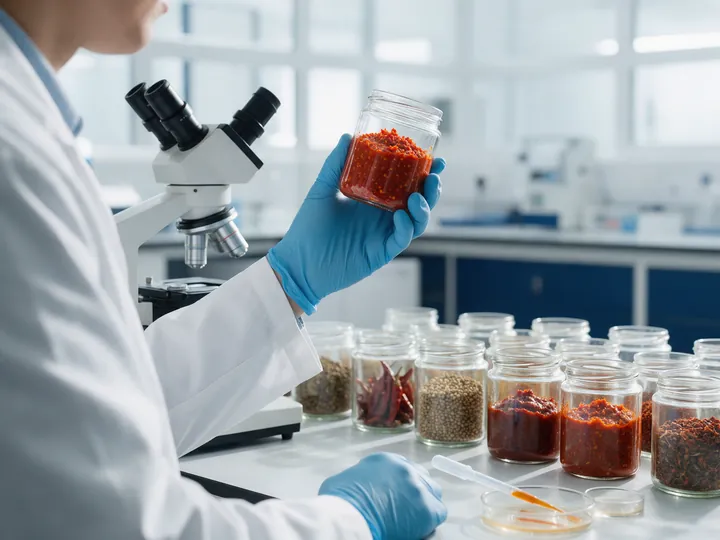
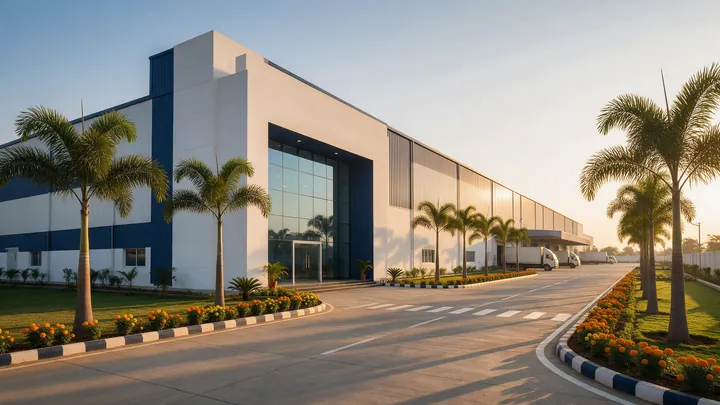
Traceability from raw material to finished pack, metal detection, and retained samples per batch are the marks of a plant that can supply retail.
Vetting a partner
Ask for current certificates and their scope, references in your market, and a factory audit or virtual tour. Confirm they support the format and volumes you need.
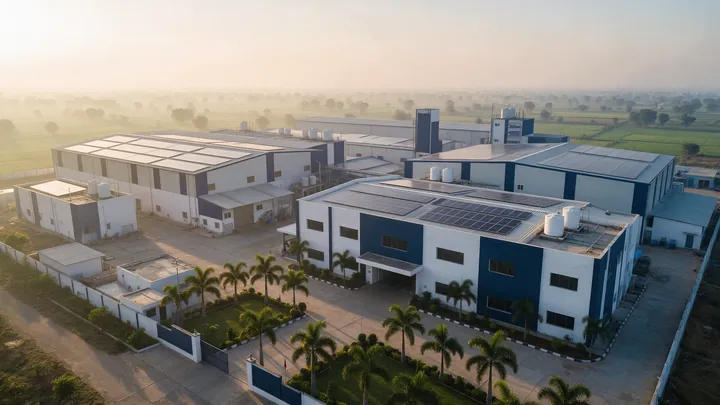
Noble Dehydrates has exported from Jhalawar, Rajasthan to more than 70 countries since 1947. Start a conversation on our contact page.